New Driver-Assist Safety Tests Could Change How Buyers Compare Cars
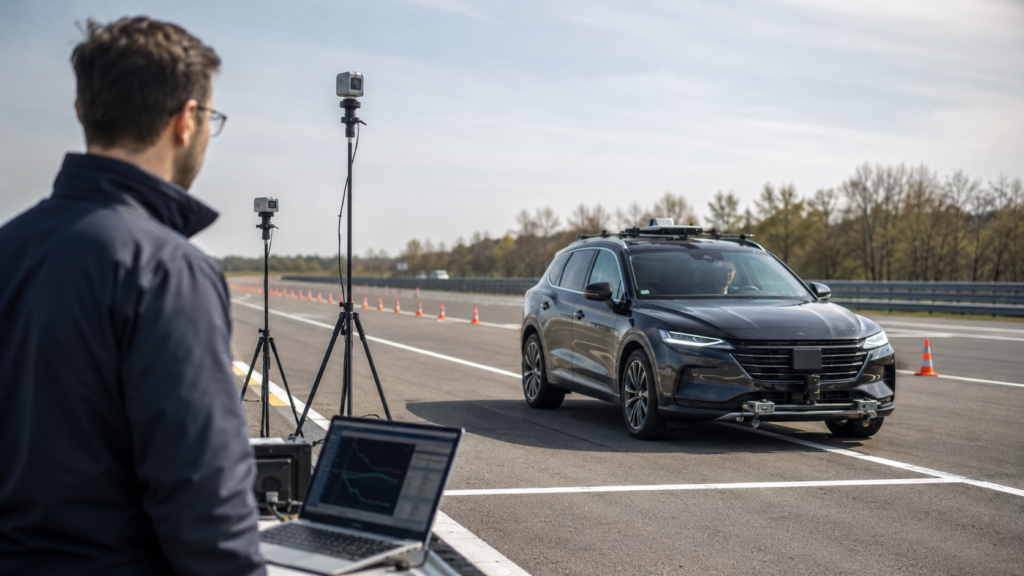
Driver-assistance features are moving from flashy option packages to serious safety comparisons.
The U.S. National Highway Traffic Safety Administration recently announced that 2026 Tesla Model Y vehicles manufactured on or after November 12, 2025, were the first to pass its new Advanced Driver Assistance System tests. The evaluated features included pedestrian automatic emergency braking, lane keeping assistance, blind spot warning, and blind spot intervention.
This matters because car shoppers are often buried in marketing terms. One brand may call a feature one thing, while another brand uses a completely different name. Clearer testing can help buyers compare safety technology without needing to decode every brochure.
What buyers should watch
Not all driver-assistance systems behave the same way. Some warn the driver. Some lightly correct steering. Some apply braking. Some work only at certain speeds or under certain conditions.
That is why shoppers should ask direct questions before paying extra for a technology package. Does the system work in city traffic? Does it detect pedestrians? Does it intervene or only warn? Does it rely on cameras, radar, ultrasonic sensors, or a combination?
Driver assist is not self-driving
The biggest point is still this: driver-assistance technology does not make a vehicle autonomous. The driver remains responsible. These systems can help reduce risk, but they can also have limits in snow, glare, heavy rain, poor lane markings, or unusual road conditions.
GetCar.ca buyer tip
When test-driving a vehicle, ask the salesperson to explain the safety systems in plain English. If the answer sounds like magic, slow down. Good technology should be understandable.
Source citation
Source: U.S. National Highway Traffic Safety Administration, “Tesla Model Y Is the First Vehicle to Pass NHTSA’s New Advanced Driver Assistance System Tests.” Read the source.