Airbag Safety Is Back in the News: Why Used-Car Buyers Should Check Recalls
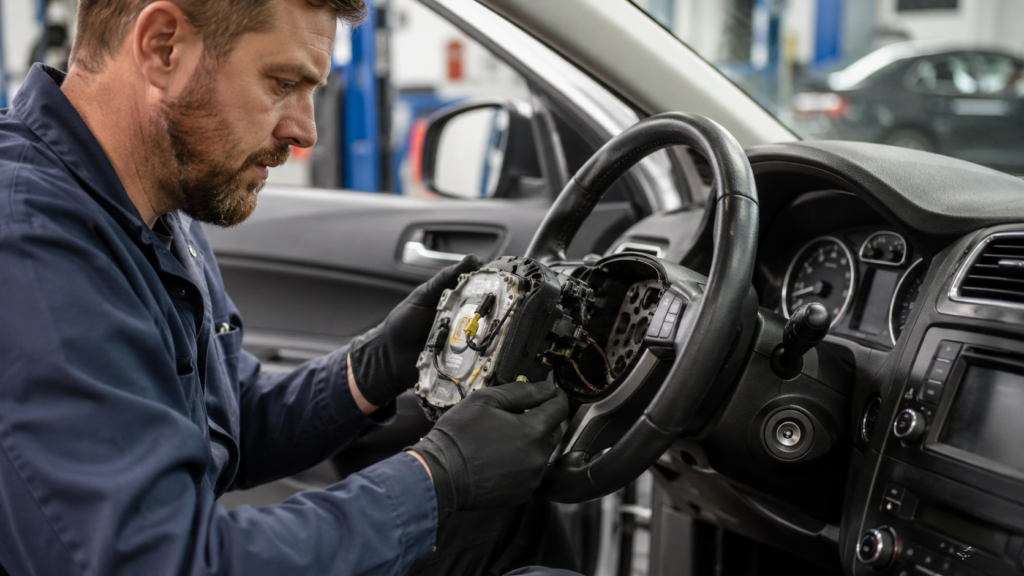
Vehicle safety recalls are not exactly glamorous, but they matter. A lot.
The U.S. National Highway Traffic Safety Administration has announced action to ban the sale and import of defective airbag inflators linked to deadly crashes. The agency said the inflators were tied to at least 10 deaths and serious injuries. While this is a U.S. regulatory action, Canadian used-car buyers should still pay attention because vehicles and replacement parts can cross borders through auctions, rebuilds, imports, and private sales.
The used-car angle
Airbag issues are especially important when shopping for a used vehicle that may have been in a collision. A vehicle can look clean on the outside but still have a complicated repair history. If an airbag deployed and was replaced outside a manufacturer-approved repair process, buyers should be extra careful.
This does not mean every repaired vehicle is unsafe. It means the paperwork matters. Buyers should ask for collision records, repair invoices, parts documentation, recall history, and a proper inspection before buying.
Recall repairs are usually free
NHTSA reminds drivers that recall repairs are free at the manufacturer’s dealership. In Canada, drivers can also check recall information through manufacturer websites, Transport Canada’s recall database, and dealer service departments.
GetCar.ca buyer tip
Before buying any used car, write down the VIN and check for open recalls. Then ask the seller whether all recall work has been completed. If the vehicle was imported, rebuilt, or previously written off, do not skip the inspection. Safety is not the place to be cute with shortcuts.
Source citation
Source: U.S. National Highway Traffic Safety Administration, “NHTSA to Ban Defective Air Bag Inflators.” Read the source.